Yes, foreigners can get married in Nepal. A marriage involving a foreign national is legally registered as a court marriage at a District Court, usually with a single-status or no-objection letter from your embassy, passports, photographs and two witnesses. The ceremony and celebration — a Nepali wedding, a blessing or a party — can then be held wherever you like, such as a private villa near Kathmandu.
This guide explains how it generally works. It is not legal advice: rules, fees and timings change, so confirm the details with the District Court, your embassy and, if needed, a local lawyer.
How does marrying in Nepal work for foreigners?
- The legal marriage is registered at a District Court (court marriage). This is what gives you a marriage certificate.
- The celebration — a traditional ceremony, a blessing, mehendi, a reception — has no legal effect on its own, and can be held at a temple, hotel, garden or private villa.
Many couples do the court marriage on a weekday and celebrate with family at a villa that weekend.
What documents do foreigners need?
Published guides from Nepali law firms and news sites list broadly the same documents (Onlinekhabar has a clear overview):
- a single-status or no-objection letter from your embassy or consulate in Nepal, often translated into Nepali and notarised (if your country has no embassy in Nepal, a single-status document from your home authority);
- your passport and notarised copies, and passport-size photos;
- two witnesses with copies of their citizenship certificate or passport;
- a divorce decree or death certificate if either of you was married before;
- for a Nepali partner, citizenship documents, and in some cases a recommendation from the ward office.
Requirements differ by court and change over time, and sources do not agree on every detail, so get the current list from the court before you travel.
How does a court marriage work?
- Prepare and translate the documents; get the embassy letter first, as it can take the longest.
- Submit the application at the District Court, signed by both of you.
- The court checks the documents and gives you a date.
- You appear with your witnesses, state your consent, and the marriage is registered; you receive a certificate.
Timings in published guides range from a couple of working days to two weeks, and cases involving foreigners can take longer. Plan extra days in Nepal around your date.
Is a Nepali marriage recognised at home?
Check with your home country whether the Nepali certificate is recognised and whether it needs legalisation or an apostille, and ask how to register the marriage at home.
Planning the celebration
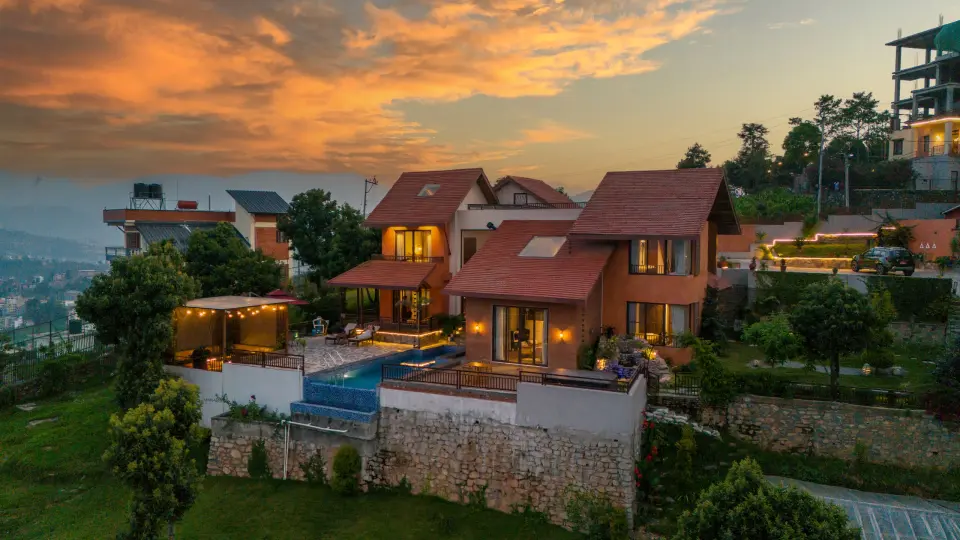
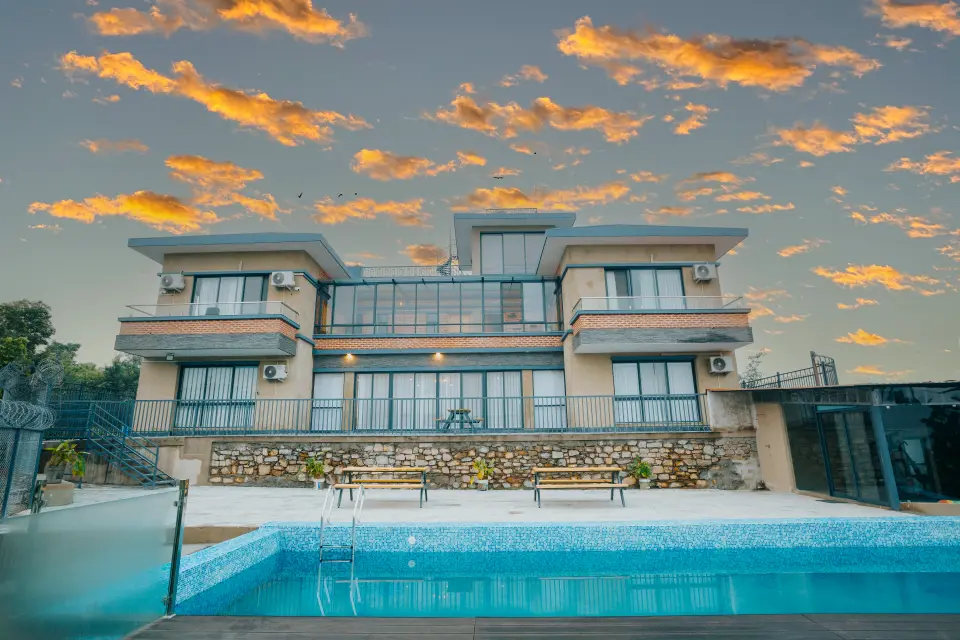
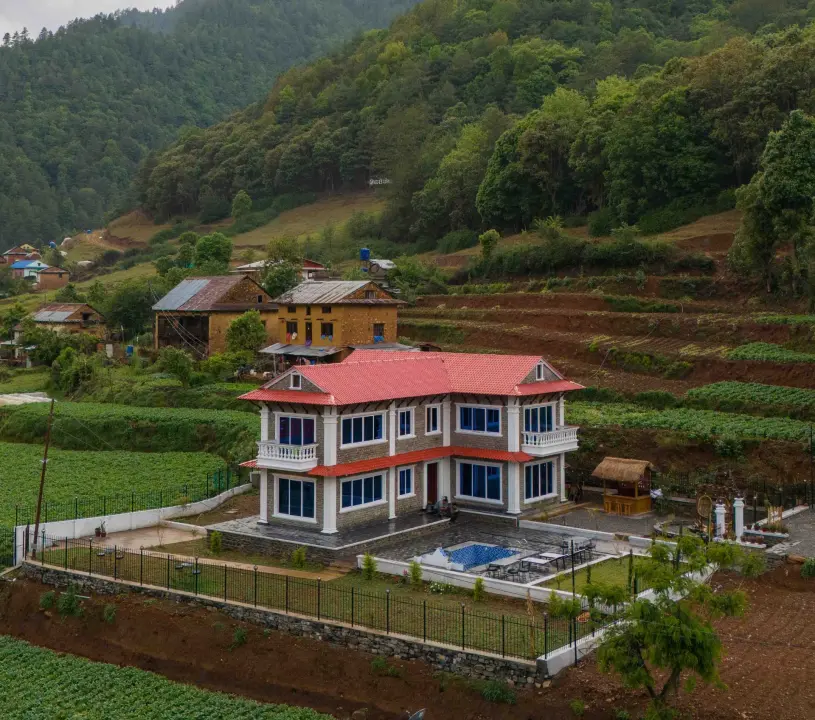
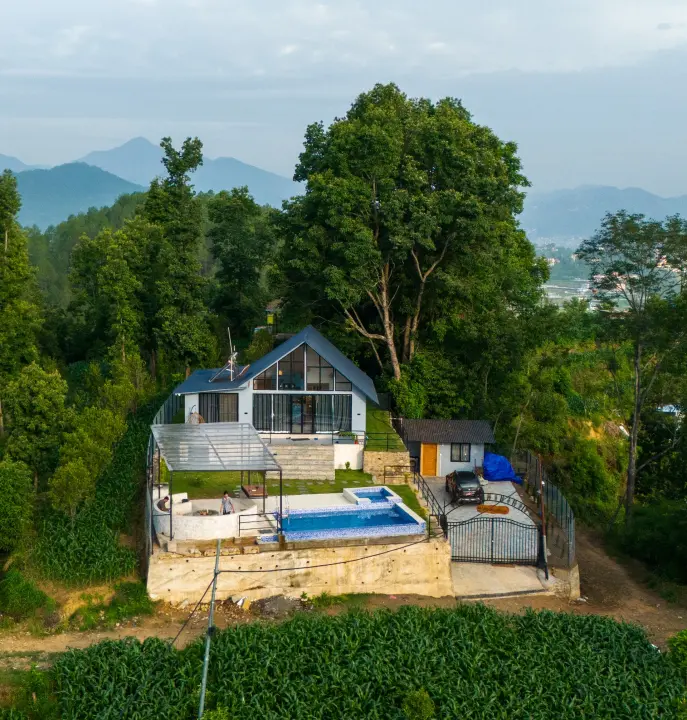
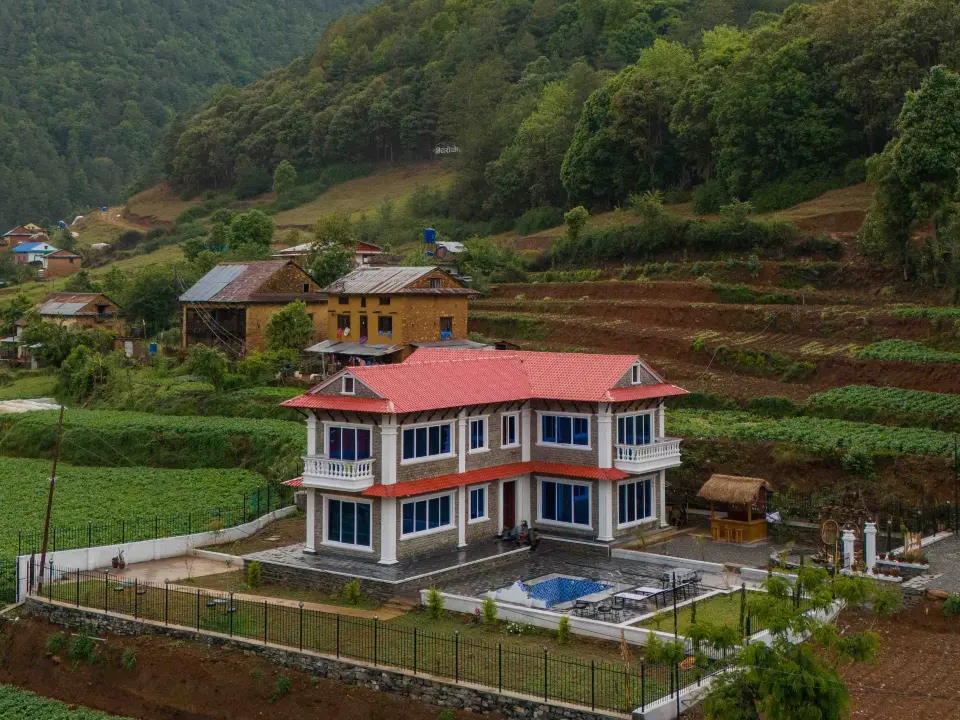
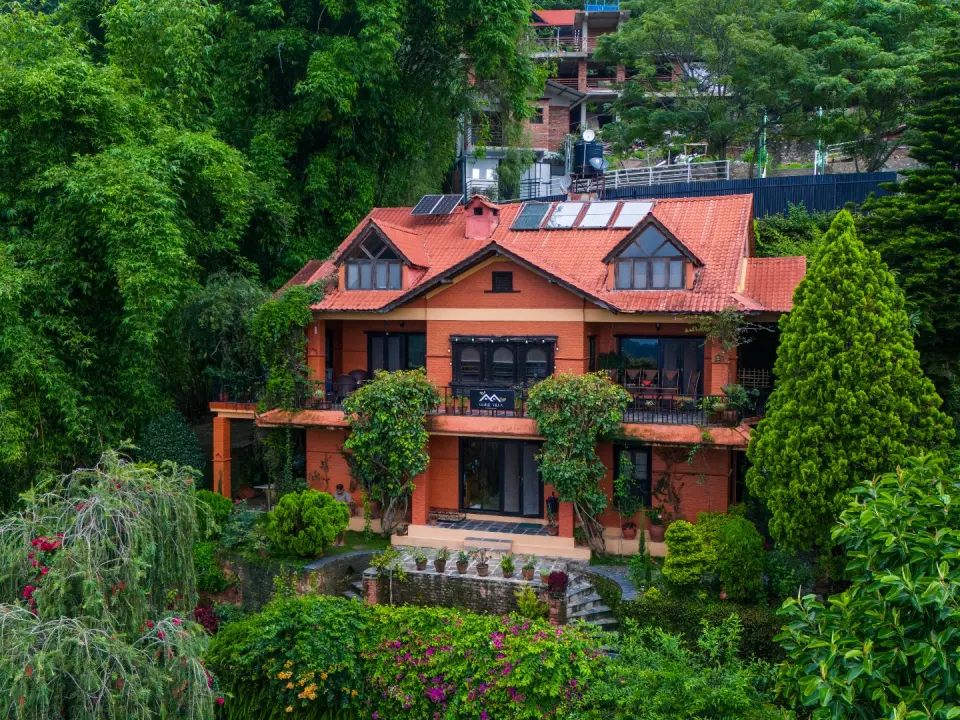
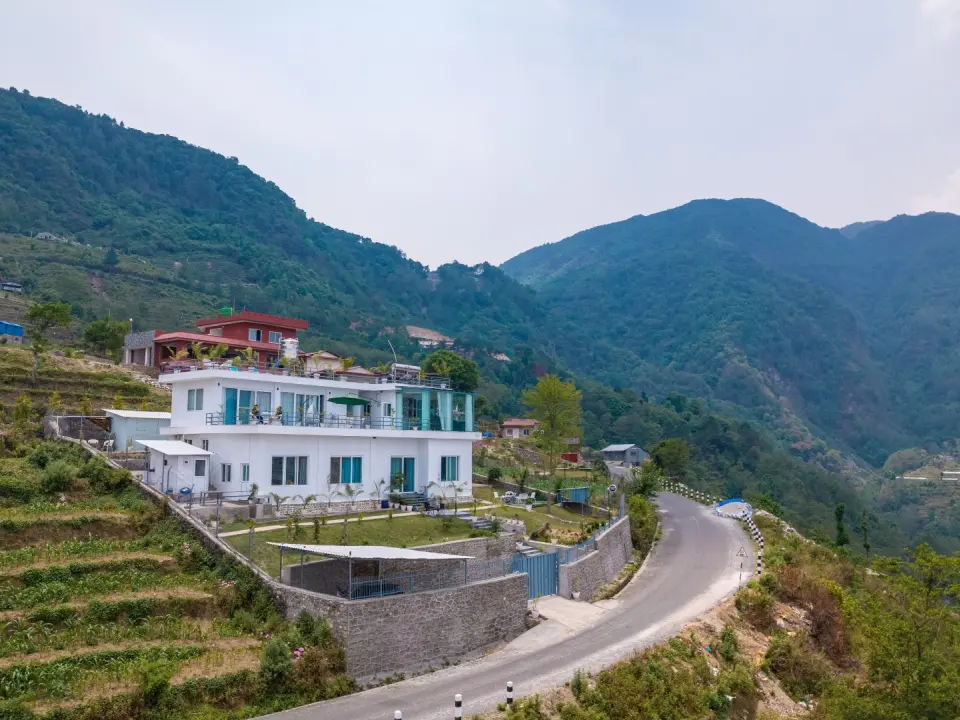
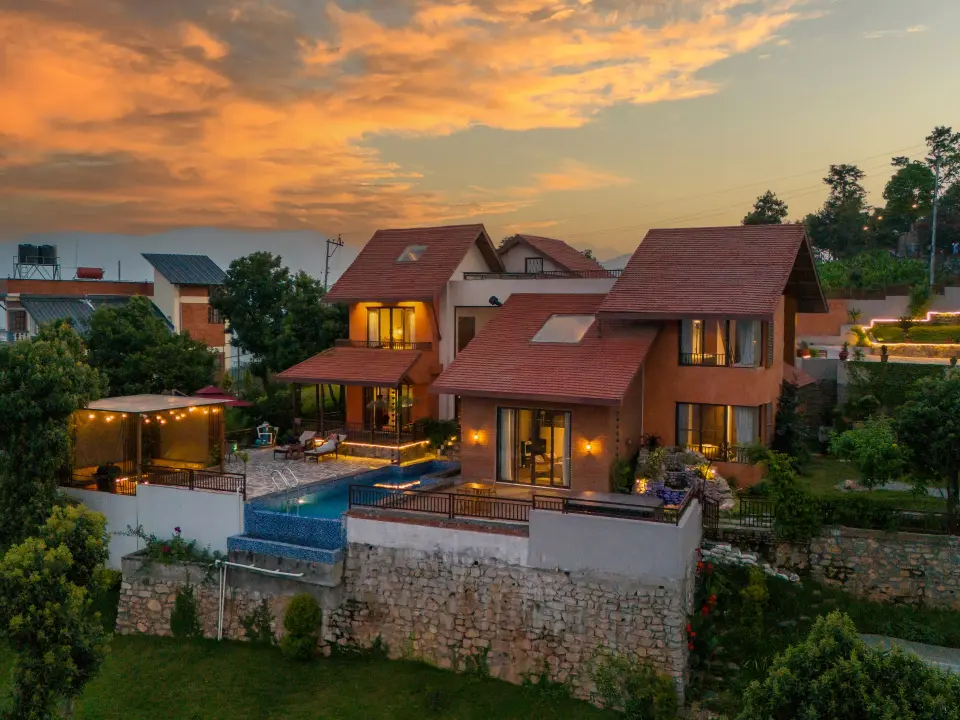
For an intimate wedding, a private villa near Kathmandu can be both the venue and the place your families stay:
- Hilltop views: Lavanya Villa in Dhulikhel and Anandalaya Villa in Namobuddha.
- Farm and garden settings: The Nest at Chitlang and Villa De Amore near Panauti.
Event rules, day guests, catering and music differ by villa; our guide on hosting a small wedding at a villa covers what to agree with the host, and you can browse small wedding venues near Kathmandu.
When is the best time to marry in Nepal?
October–November and March–April have the clearest skies for photos. Nepali auspicious wedding dates in Mangsir (November–December) and Magh to Falgun (January–March) are the busiest for venues, so book the celebration early if your dates overlap.